
Why are casinos designed to keep you playing longer?
The Psychological Tricks Behind Casino Design
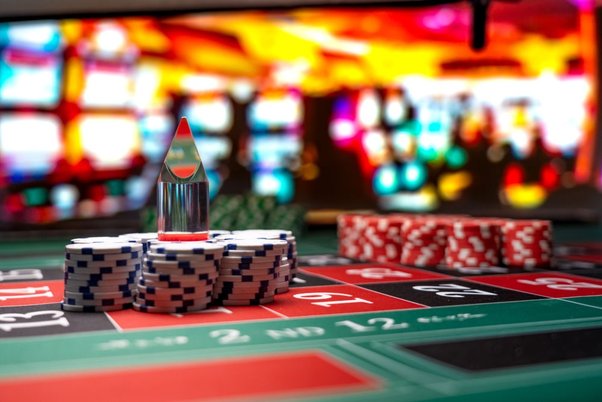
Casinos are meticulously crafted environments that engage players on psychological levels, utilizing various design principles to create an immersive experience. One key element is the strategic use of color and lighting, which works to create an energetic atmosphere that keeps players alert and excited. Bright, flashing lights and rich, vibrant colors stimulate the mind, making it challenging for players to leave. Many enthusiasts also explore casinos sister sites , which offer similar sensory experiences, further enhancing the thrill of the gaming experience, as players find themselves captivated by their surroundings, often forgetting about time and their initial goals.
In addition to colors and lights, the arrangement of games and machines is thoughtfully planned to encourage extended play. Games are often placed in clusters, allowing players to observe others winning and enjoying the experience, which can evoke feelings of competition and urgency. This social aspect, combined with the visual appeal of the casino, fosters a desire to stay and play longer, as patrons hope to replicate the success of their peers. The design creates a communal atmosphere where excitement is palpable, further enticing players to remain engaged.
Moreover, casinos frequently introduce elements of surprise, such as unexpected bonuses or jackpots, which provide an emotional rollercoaster for players. The anticipation of winning can be as thrilling as the win itself, tapping into the brain’s reward system. This tactic encourages players to continue inserting coins or chips into machines, convinced that their next big win is just around the corner. The unpredictability of rewards keeps the excitement alive and compels players to stay longer, further enhancing their overall experience.
The Role of Rewards and Incentives
Rewards and loyalty programs play a significant role in encouraging prolonged play at casinos. Players often receive bonuses in various forms, such as complimentary meals, free plays, or accommodations based on their gaming activity. These incentives help create a sense of loyalty, as patrons begin to associate their gaming experiences with the positive rewards they receive. The more time they invest in playing, the more rewards they accumulate, which reinforces the cycle of continued play.
Many casinos implement tiered loyalty programs, meaning that as players advance, the rewards become increasingly valuable. These perks can include exclusive events, better payout percentages, or access to luxurious experiences not available to casual visitors. Such structures motivate players to keep engaging in gameplay to reach the next tier, as they believe their loyalty will be rewarded in substantial ways. This dynamic effectively cultivates a long-term relationship between the casino and its patrons, ensuring steady traffic.

This reliance on rewards taps into the concept of variable reinforcement, where players receive rewards at unpredictable intervals. This unpredictability heightens excitement and keeps players engaged for extended periods. The thrill of potentially receiving a reward, even if it is not guaranteed, encourages players to keep coming back, constantly chasing the next incentive while immersing themselves in the gaming experience.
Creating a Comforting Atmosphere
To encourage players to settle in for extended gameplay, casinos are designed to provide a comfortable and inviting environment. A deliberate absence of clocks and windows creates a timeless atmosphere where players lose track of time. This design choice immerses players in the gaming experience without distractions from the outside world, making it easier for them to get carried away in the fun and excitement of the games. By eliminating reminders of the outside world, casinos can effectively maintain player engagement for longer periods.
The seating arrangements in casinos also play a crucial role in extending gaming sessions. Comfortable chairs positioned in close proximity to games ensure that players are physically at ease while engaging in their favorite activities. Additionally, many casinos offer complimentary drinks to patrons, contributing to a relaxed environment that encourages extended play. This hospitality fosters a seamless association between enjoyment and prolonged gameplay, creating a favorable environment for the casino to thrive.
Sound design is another critical aspect of creating a comforting atmosphere. Casinos often employ specific soundtracks and auditory cues that evoke feelings of excitement and elation, such as the sounds of coins clinking or chips winning. These auditory elements enhance the emotional connection players have with their experience, often leading to an increase in time spent gaming. By fostering a welcoming and stimulating environment, casinos can effectively encourage players to invest more hours into their gaming sessions.
The Social Aspect of Gaming
The social dynamics within casinos significantly enhance their design, encouraging patrons to engage in longer gameplay. Many games, such as poker or roulette, provide inherently social experiences, allowing players to interact with dealers and fellow gamblers. This interaction fosters a sense of community, creating connections that can make patrons more inclined to remain and socialize while playing. The thrill of shared experiences can amplify the enjoyment of gaming and lead to prolonged sessions.
Furthermore, casinos often host events or tournaments to attract players and enhance the communal aspect. By turning gaming into a shared activity, these establishments encourage camaraderie among patrons, creating a sense of belonging. This social allure draws people back to the casino, not just for the games, but also for the connections they build with others. The combination of social interaction and gaming creates heightened emotional investments, making it difficult for players to walk away.
Players often feel a sense of responsibility to support their peers or celebrate wins together, leading to longer hours spent in the casino. This communal aspect of gaming can transform a simple wager into a memorable social experience, reinforcing player loyalty and prolonging their time spent at the casino. The social fabric woven into the gaming experience is essential for creating a vibrant casino atmosphere that encourages patrons to return time and again.
The Importance of User Experience on Websites
In the digital age, online casinos are replicating the successful design strategies of physical establishments to keep players engaged. User experience (UX) on casino websites is paramount, as a well-designed interface can significantly influence the time players spend on the site. Smooth navigation, appealing graphics, and engaging content all contribute to a positive online gaming experience, ensuring that players remain captivated and invested in their online activities.
Online casinos utilize similar reward systems to their land-based counterparts, offering bonuses and promotions that encourage ongoing gameplay. The convenience of accessing games from home, combined with enticing rewards, creates an environment where players feel inclined to spend more time playing. By crafting an engaging online atmosphere, these casinos can effectively replicate the psychological and social elements found in traditional gaming establishments, further extending playtime.
Additionally, player support and community interaction are vital components of user experience on these platforms. Many online casinos offer live chat functions or forums where players can communicate and share their experiences, fostering a sense of community similar to that of physical casinos. Just as in traditional settings, this social dynamic is crucial in encouraging longer play times and ensuring that players return for future gaming sessions, ultimately solidifying the online casino’s success.